New to the Utrecht Area and thinking about buying your first home in 2026?
-
Whether you’re exploring long-term settlement, house-hunting, planning a move with your family, or simply curious about regional development
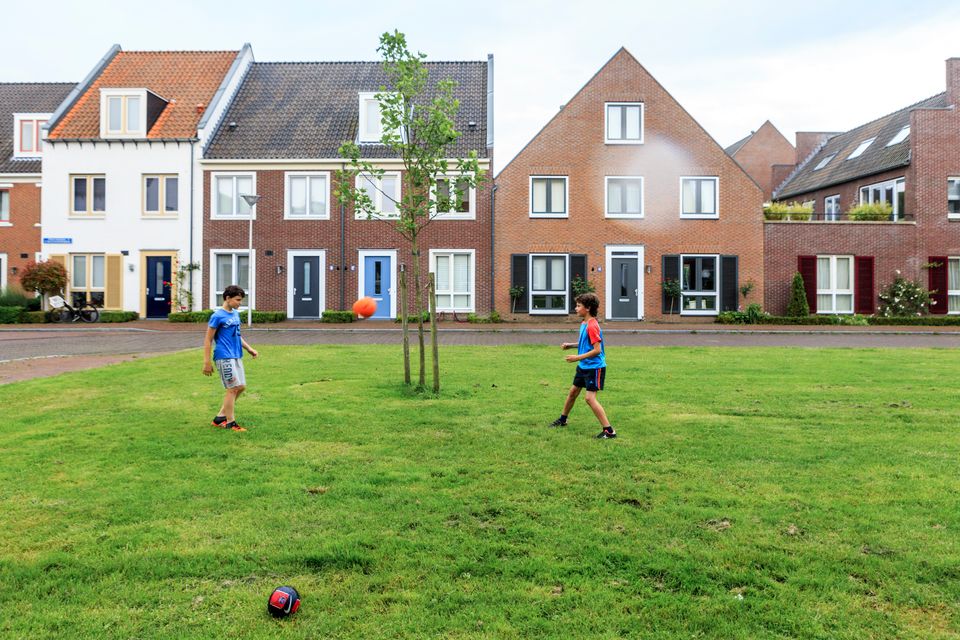
Utrecht has long been considered one of the most attractive places to live in the Netherlands. With its central location and excellent train connections to cities across the country, it’s an ideal base for commuters who value both convenience and quality of life.
Many expats currently living in the Utrecht region may be wondering whether they are eligible to become homeowners. In this article, we provide an overview and answer the most important questions about purchasing property in the area.
Are you currently renting in the Utrecht Area as an expat?
Renting a property is often seen as the most convenient way to settle into a new country. It offers flexibility and gives you time to explore different neighbourhoods before making long-term decisions.
However, a common misconception among expats is that they are not eligible to buy a home in the Netherlands. Many assume they need to wait several years before purchasing property or believe they cannot qualify for a mortgage. This is often not the case. If you have recently relocated to the Utrecht area, you may be able to buy a home much sooner than you expect.
Can expats actually buy a home in the Netherlands?
Yes — and many expats buy sooner than they expect. A common misconception is that you need to live in the Netherlands for several years before qualifying for a mortgage. In most cases, that is not true.
If you are employed, have a BSN, and have income, you can usually apply for a mortgage shortly after arriving.
What are the requirements to get a mortgage in 2026?
To apply for a mortgage, you typically need:
- A BSN (citizen service number)
- Proof of income (Dutch or foreign income can qualify)
- A valid employment contract
- A residence permit, if you are from outside the EU/EEA
- An overview of existing savings and debts.
In certain situations — for example, if you are self-employed — additional requirements may apply. The specific criteria depend on whether you operate as a sole trader (ZZP) or as a BV owner.
As a ZZP, you generally need to have been registered with the Chamber of Commerce (KvK) for at least 12 months. BV owners, on the other hand, are typically required to provide 3 years of financial statements or business figures.
If your income is paid in a foreign currency, you can still apply for a mortgage in the Netherlands. However, lenders may calculate your maximum borrowing amount differently, often adjusting for currency exchange risks and using specific loan-to-value criteria.
How much can you borrow in 2026?
In 2026, mortgage regulations in the Netherlands still allow buyers to borrow up to 100% of the property’s value (loan-to-value). However, additional purchasing costs — such as notary fees, transfer tax (where applicable), property valuation, and advisory fees — need to be covered with your own savings.
If you are purchasing a home with a partner, you can combine your incomes to increase your borrowing capacity. This may allow you to qualify for a higher mortgage amount — and potentially consider properties in a higher price range. In addition, homes with a higher energy label (A, B, or C) may qualify for more favourable mortgage conditions.
How to get your offer accepted in the Utrecht area
The Dutch housing market is known for its competitive bidding. In popular areas like Utrecht, overbidding—offering above the asking price—remains standard practice, although it has become slightly less intense over the past year.
However, success isn’t always about bidding the most; using smart strategies can make a difference. These include:
- Understanding how the asking price compares to the true market value
- Knowing when it makes sense to overbid—and when it doesn’t
- Structuring your offer with strong conditions
Golden tip: work with a local real estate agent. They can help assess market value and reduce the risk of overpaying—potentially saving on future mortgage costs.
How much savings do you need when buying a property in the Utrecht area?
Beyond the purchase price, expect additional fees such as:
- Transfer tax (2% for owner-occupied homes; some exemptions apply)
- Notary fees
- Mortgage advice fees (tax-deductible)
- Property valuation
- Technical inspection (recommended)
One of the benefits of buying a property in the Netherlands is that certain mortgage-related fees and interest payments are tax-deductible, resulting in significant long-term savings.
How Long Does the Buying Process Take?
The average home purchase timeline in the Utrecht Area is 8–12 weeks from the date of an accepted offer. It typically includes:
- Signing the purchase agreement
- A three-day cooling-off period
- Mortgage approval
- Final notary transfer
Good to know securing a mortgage pre-approval before bidding helps you move faster and strengthens your position in a competitive market.
Your timetable to becoming a homeowner:
- Financial preparation – Determine your maximum mortgage amount with your mortgage advisor or broker.
- Start your home search – Begin searching independently or work with a real estate agent.
- Define your priorities – Decide what is essential (must-haves) versus desirable (nice-to-haves).
- Make an offer – Submit your offer once you find a suitable property.
- Offer accepted & three-day cooling-off period – After signing the purchase agreement, you have a legal three-day cooling-off period.
- Technical inspection and property valuation – Conduct a building inspection (recommended) and arrange the official property valuation required by the lender.
- Mortgage application – Submit your mortgage documents and complete the application process with your advisor.
- Mortgage approval and notary transfer – Once approved, you sign the final deed at the notary and receive the keys.
A quick note on personal advice
The Dutch mortgage process is very different from what many people are used to in their home country. With many lenders in the Netherlands, even a small difference in interest rates can significantly affect your monthly payments. Our experienced mortgage advisors at OHAO compare all relevant options and help you find the interest rate that best fits your financial situation. If you want to explore your options, feel free to contact our mortgage advisors.
Join our community and never miss an update